When store managers asked Bobby Hundreds what made his brand different from the millions of other T-shirt brands, his answer was simple: there are a million other T-shirt brands. The T-shirt, in his view, was never the product. It was the merch. What mattered was everything around it — the stories, the content, the culture, the community and, most importantly, the relationships. The product was simply the physical manifestation of something much bigger.
That idea is perhaps the best way to understand what has happened with Abale over the past year.
2017 — The Coolest Kid in Malawi
To understand Abale, you have to go back to 2017. Crispy released Ngati Chitsiru and introduced himself to Malawi as the “coolest kid in Malawi.” At the time, you could make a pretty convincing argument that he was. Over the next few years, he collaborated with some of the country's most recognisable names — Martse, Krazie G and Phyzix — while establishing himself within the mainstream. Then, almost as quickly as he had arrived, he went quiet. The music stopped appearing on Malawi-Music. The videos became fewer. The name wasn't as visible as it once was.
The Return
But then Crispy came back. Only this time, he sounded different. The production leaned into alternative and jazz-influenced sounds. The flows were different. The releases came frequently. And instead of chasing the traditional routes back into the mainstream, much of this new chapter lived on Audiomack. That shift was important. Because this wasn't necessarily about being the biggest artist in Malawi anymore. It was about building a dedicated audience.
Around Crispy came a new collection of collaborators and creatives — K Smollet, Brainlock Fam, Ace Dirty and others. A page called Run North began appearing on YouTube with Crispy Malawi content. Then came Mario Bros. And slowly, another word started appearing: Abale. What initially seemed like a name became a community. Then the subject matter of the music began to make the community even more distinct. There was a shared language, a shared sense of humour and, eventually, a shared identity. The clique had been solidified. So had the idea of the Malawian trapper.
Finding a Malawian Voice
For years, Malawi's trap scene had struggled to find its own voice. Much of the trap music coming out at the time felt like an imitation of what was happening internationally — particularly the Migos era of trap. The lyrics revolved around Bugattis, designer clothes and experiences that didn't necessarily reflect the lives of the people listening. There was a disconnect. Rapping in Chichewa wasn't always considered cool. There was the semi-urban kid who was comfortable deciphering Chichewa bars, and then there was the high-school kid who could understand Chichewa but could also tell when an artist was pretending to live a life they didn't actually live.
Crispy found the middle. He could talk about trying to make it from the ghetto while still making records that high-school kids could bounce to. He could rap in Chichewa without making the music feel inaccessible. He could be authentically Malawian without making authenticity feel like a limitation. And somewhere in that intersection, a community formed.
The music created the language. The language created the identity. The identity created the audience. And the audience created the foundation for something that could eventually exist beyond music.
Culture Created the Clothing
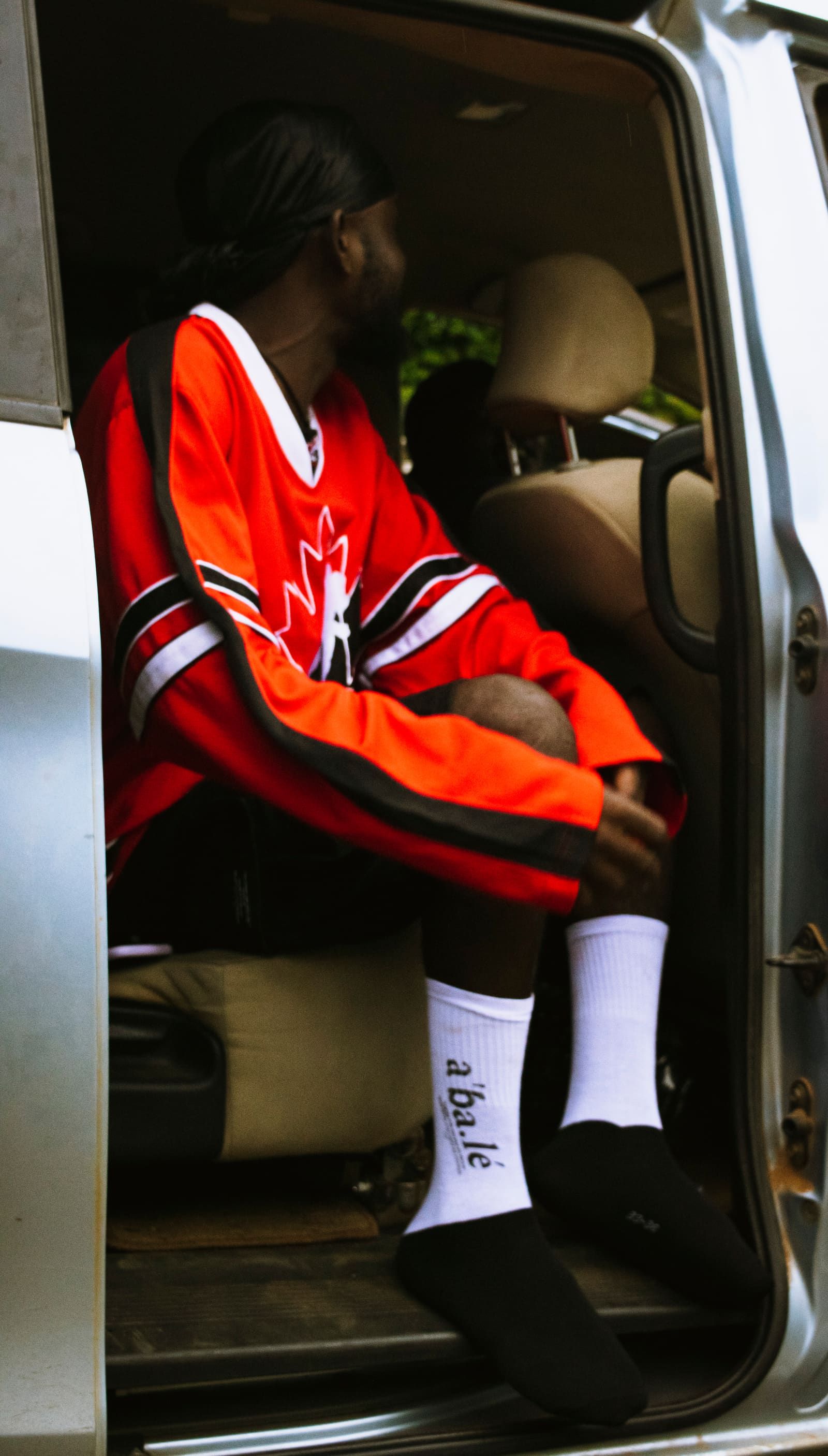
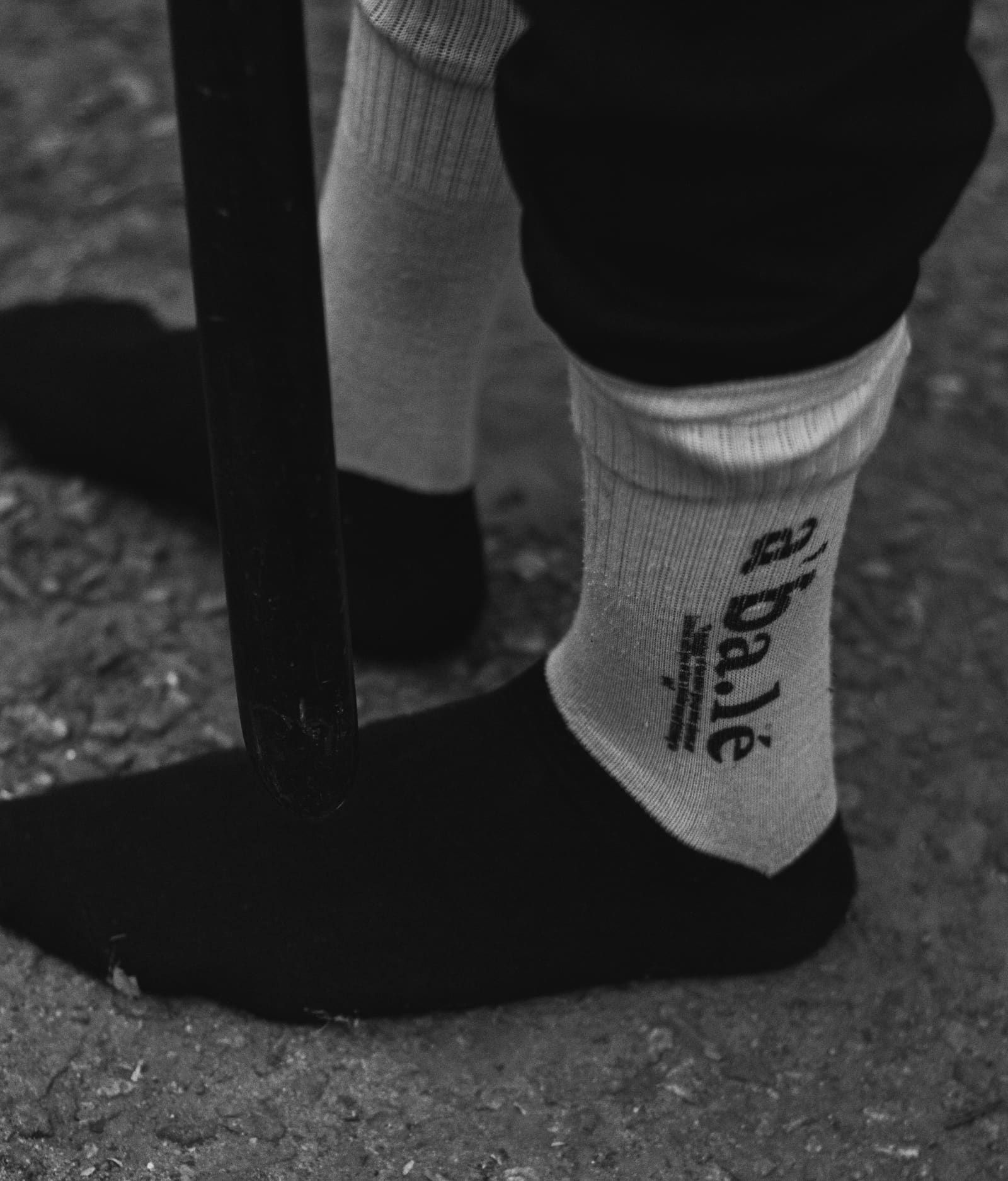
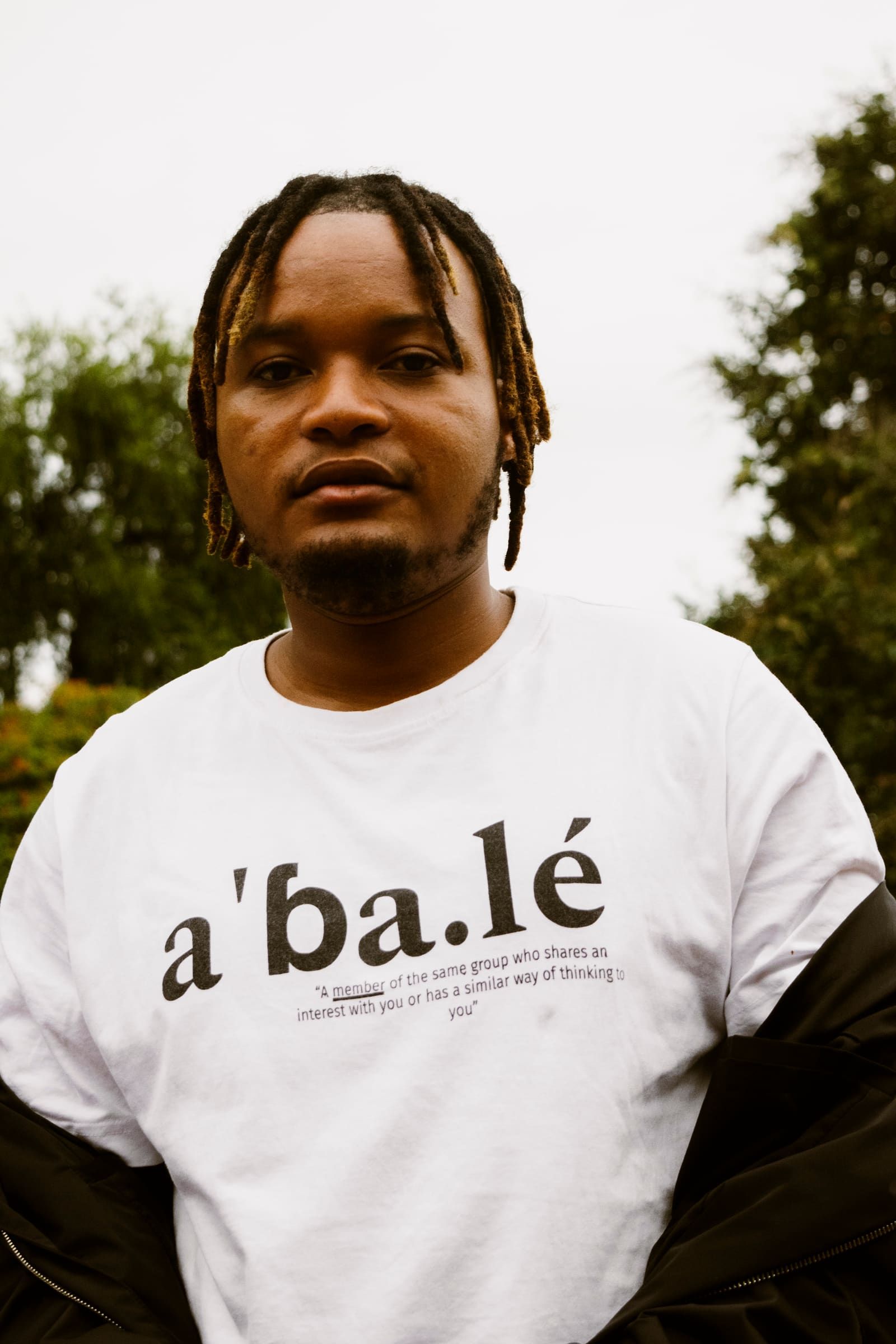
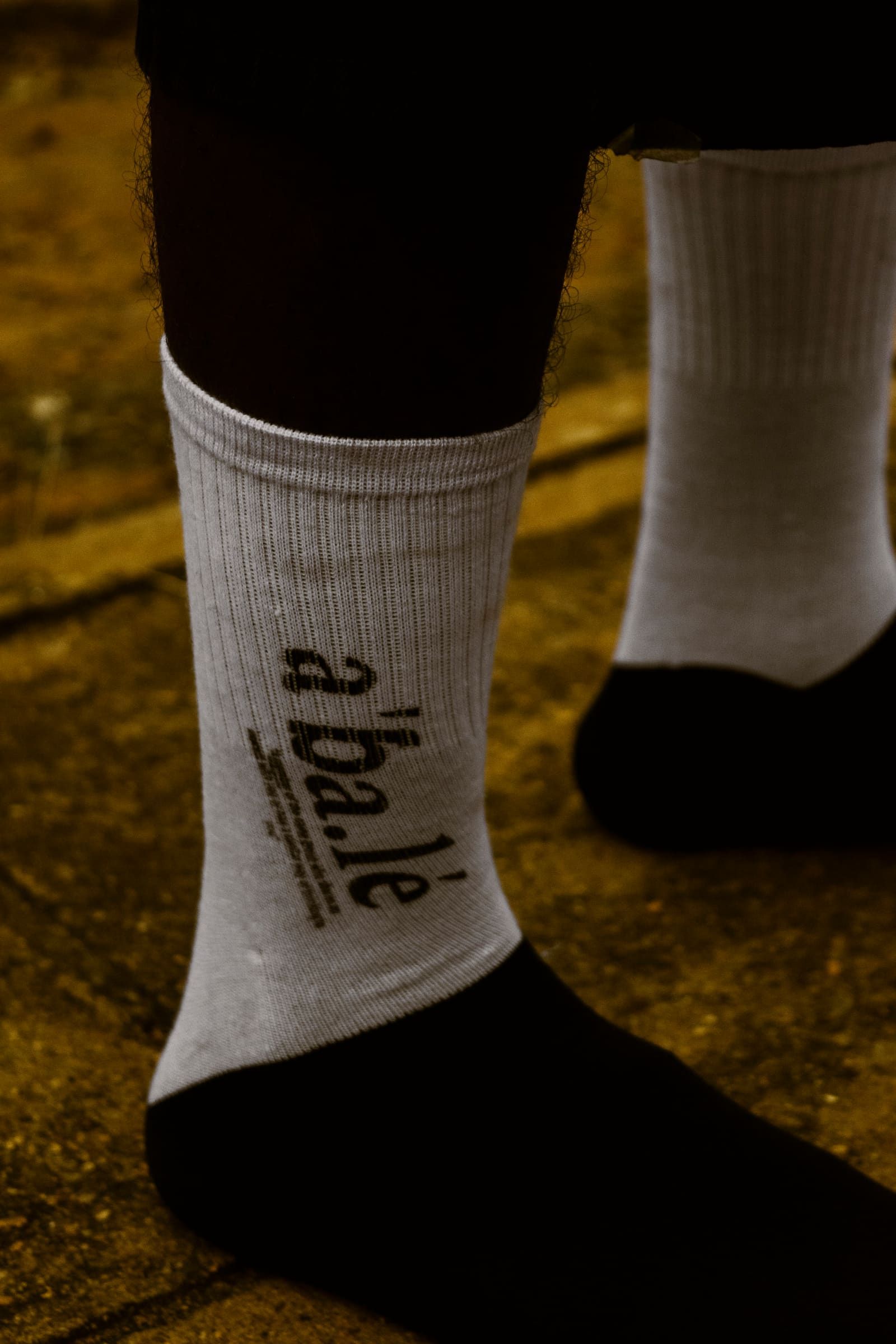
Enter Abale merchandise. The clothing didn't create the culture. The culture created the clothing. That distinction matters. Because by the time the merchandise arrived, people weren't simply buying a T-shirt. They were buying into something they had already been following, listening to and identifying with. The shirt became a physical symbol of a community that had largely been built through music, content and relationships.
The story becomes even clearer through Crispy's conversation with KBG, where he speaks about his journey, how Abale came together, and what the name represents.