In South Africa, few cars are as deeply woven into urban and street culture as the BMW E30. It exists in many forms — from rugged, heavily modified builds made for spinning, to polished, metallic, BBS-rimmed examples carefully kept in someone's garage. The E30 has become more than a car. It is a cultural object.
Could the Volkswagen Golf be becoming something similar in Malawi?
A Noticeable Rise
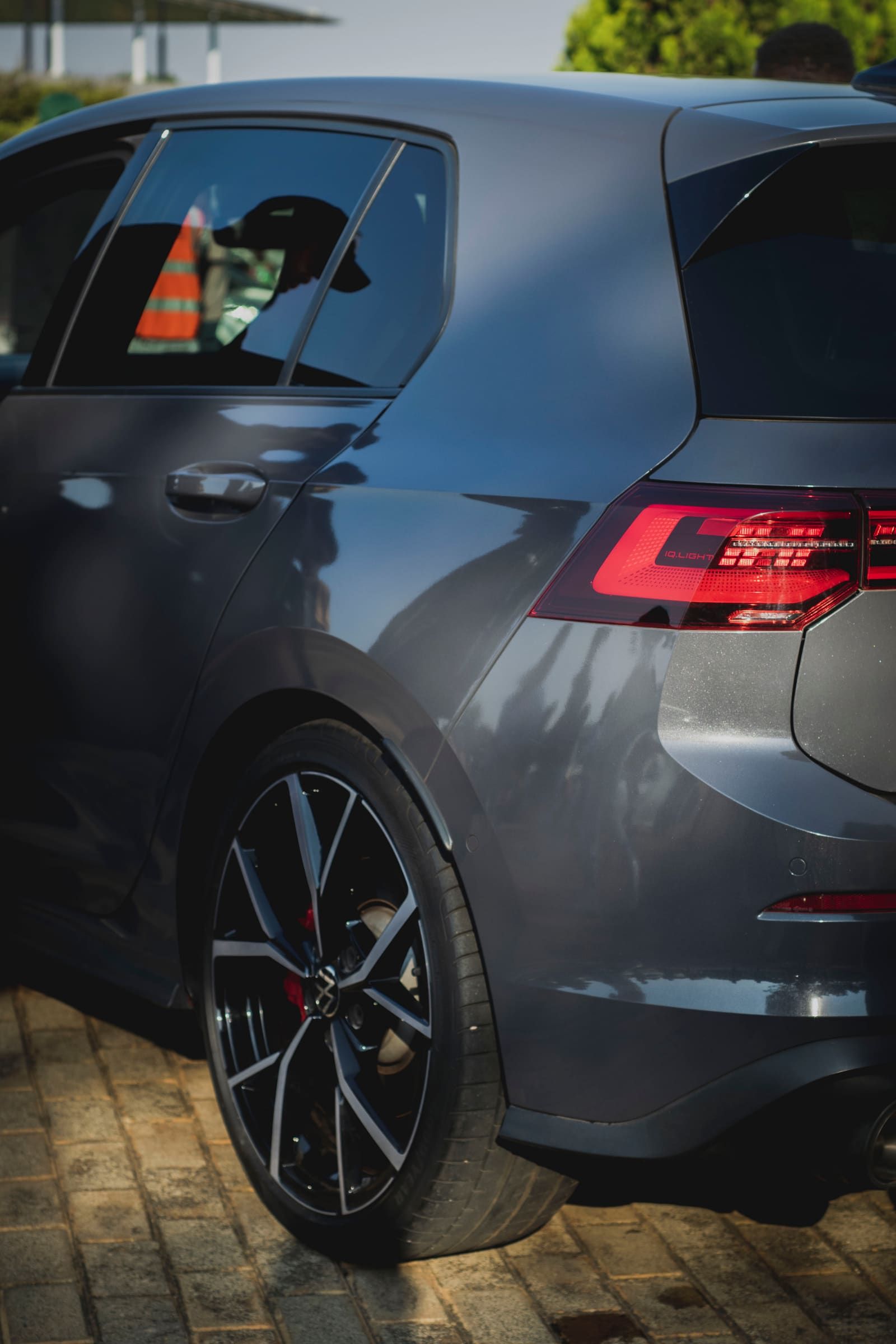
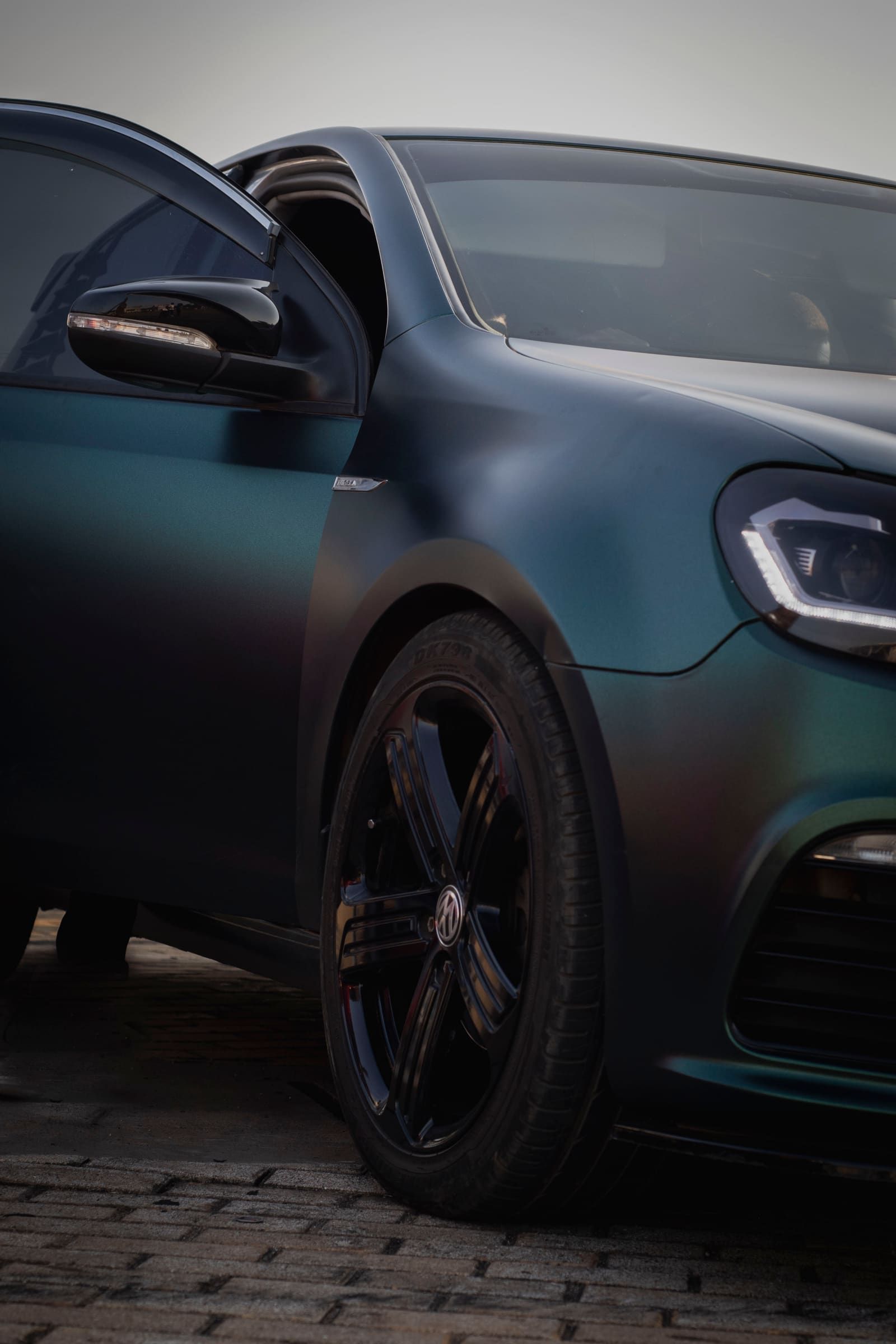
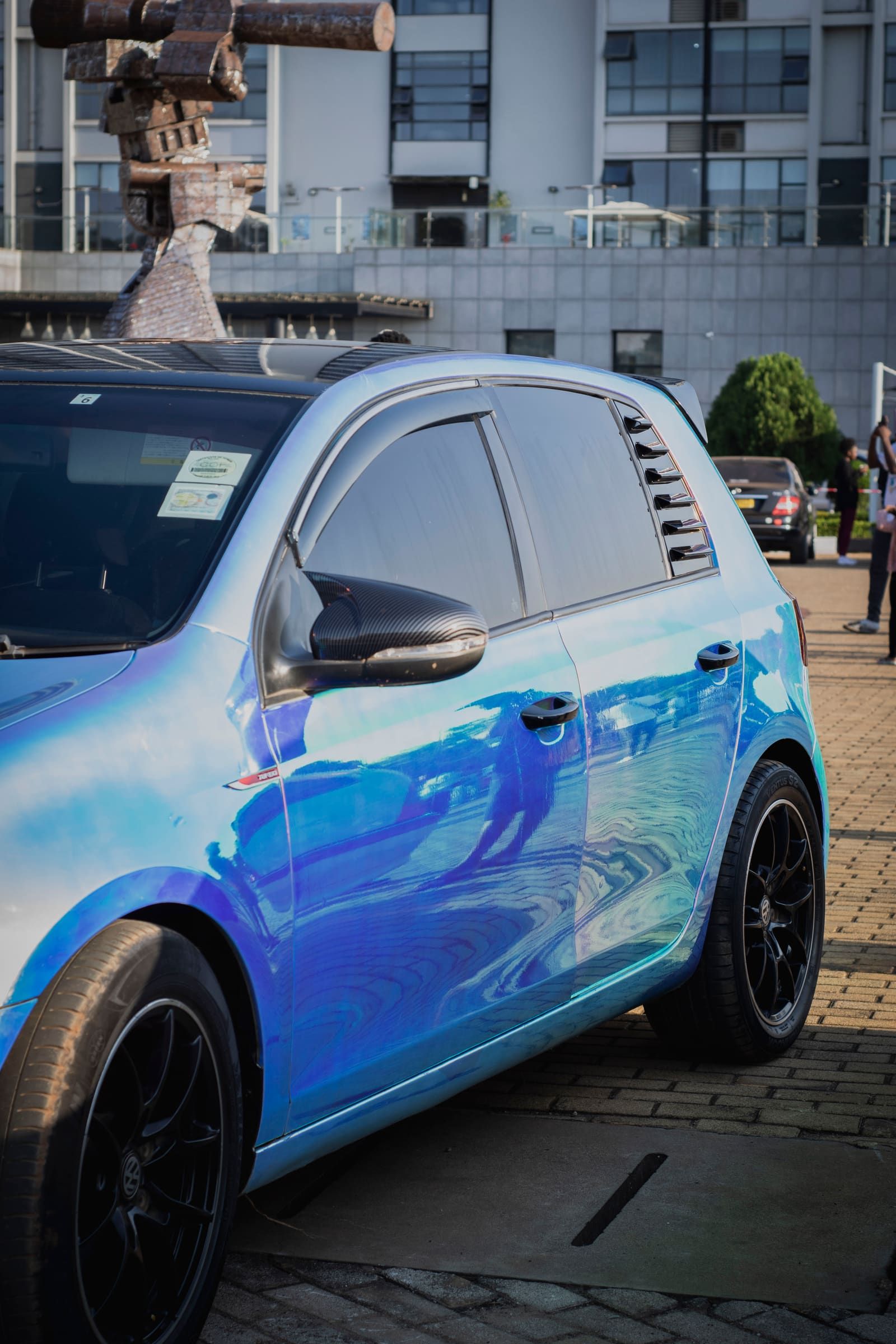
Over the past few years, there has been a noticeable rise in the presence of the Volkswagen Golf on Malawian roads. The Polo and Scirocco have their place, but the Golf — particularly the GTI — seems to have developed a certain prominence. You see them in solid factory colours, heavily modified builds and increasingly creative wraps, each one reflecting the personality of its owner.
And that is perhaps what makes Malawi's growing car culture so interesting. There is no single way to be a car enthusiast. For some, it is about performance — the engine, the acceleration, the handling and the feeling of pressing the accelerator and discovering just how quickly the car responds. For others, it is about aesthetics: the perfect set of rims, an aggressive stance, a carefully chosen wrap, or an interior that feels as good as the exterior looks. Then there are the sounds. The bangs. The pops. The unmistakable “vrrrmmm — pha!” that turns heads before the car even comes into view.
Communities Around Makes
Across Malawi, car enthusiasts are beginning to form communities around specific makes and models. Golf GTI owners, Land Cruiser enthusiasts, Nissan NP200 owners, Ford Ranger owners and others have created their own circles — sharing knowledge, helping each other solve mechanical problems, trading cars and connecting over modifications and builds. What starts with an appreciation for a particular vehicle often becomes a community.
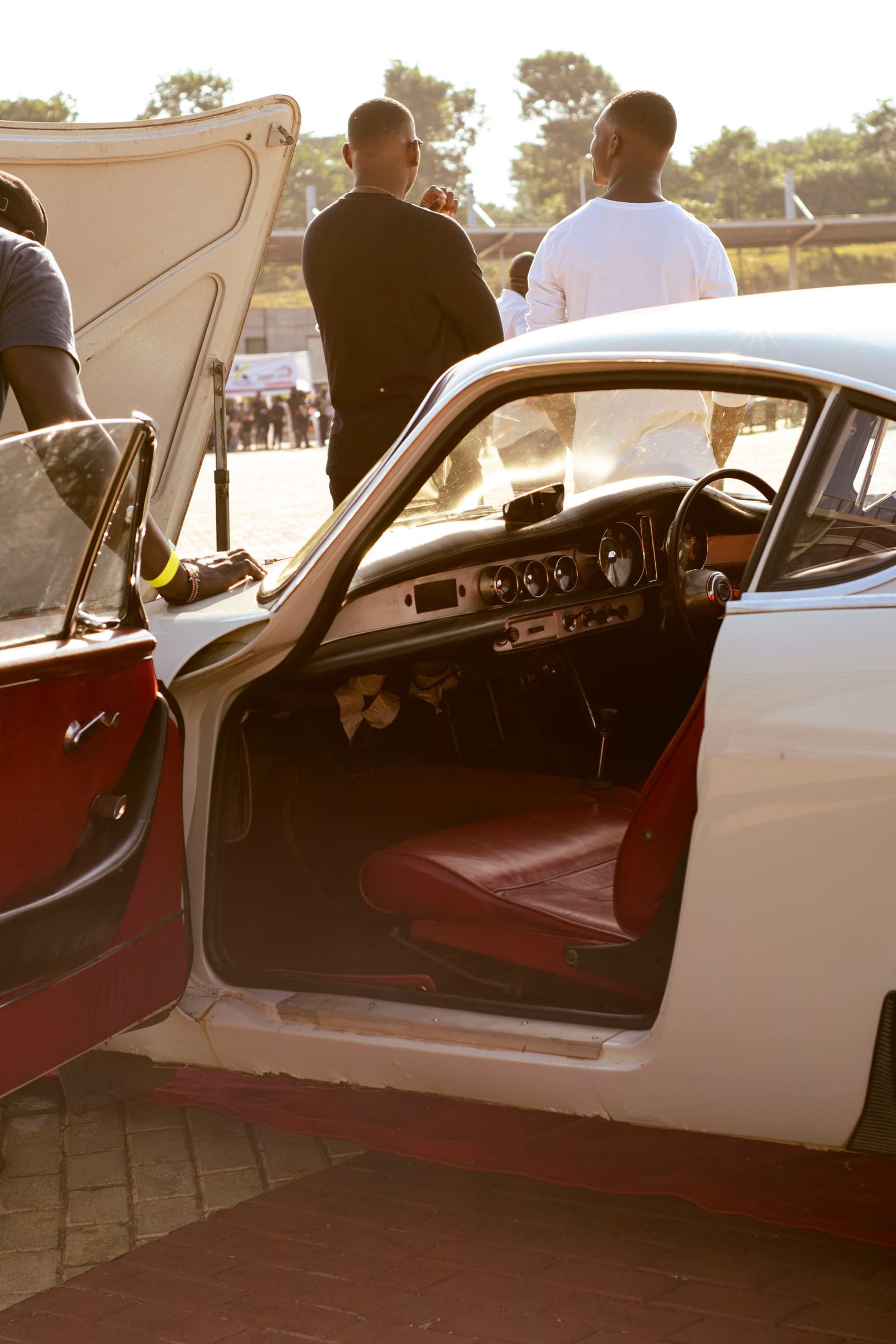
There is also a growing appreciation for cars beyond the modern performance scene. Someone is currently restoring a Nissan Skyline, bringing an older icon back to life. Vintage cars and sports cars appear alongside the latest builds, creating a car culture that is not only about what is new, but also about what has survived.
Shows, Shops & Formula One
The annual car shows in Blantyre and Lilongwe have become important meeting points for this community. They bring together enthusiasts of different ages and interests, giving people a chance to see cars they might otherwise only encounter online, meet fellow enthusiasts and, sometimes, finally see their dream car in person.
Behind much of this movement are businesses and individuals pushing the culture forward. Names such as Primetime Limited, Fastlane, Belaire Motor Group and K Motors have become part of the growing automotive ecosystem — selling, modifying and creating spaces around the cars themselves.
And the interest extends beyond what is happening on Malawian roads. Formula One has found its own audience here. WhatsApp groups, race discussions and watch parties — particularly around the final race of the season — have created another layer of motorsport community. The emergence of go-karting experiences, with categories for different ages and lap-time competition for adults, adds another physical space where that interest can turn into participation.
More Than Just a Car
Perhaps that is the bigger story. Malawi's car culture is no longer simply about owning a car. It is about identity, performance, design, community and the experiences built around them. So, could the Golf series become to Malawi what the E30 became to South Africa? It may be too early to tell. But when a particular car begins appearing everywhere — being modified, photographed, raced, discussed, traded and admired — it stops being just a car. It becomes part of the culture.